Cart
0
Frequent Best Sellers



Buying a kayak in 2025 can feel overwhelming.
With so many types, materials, and new designs on the market, from high-performance whitewater kayaks to stable sit-on-tops. It’s vital to choose one that suits your paddling style, experience, and the conditions you’ll face.
At Flow Kayaks, we’ve helped thousands of paddlers across the UK find their perfect kayak, and this guide brings together expert advice, brand insights, and recent research to help you make the right choice.
1. Understanding the Main Types of Kayaks
Different kayaks serve different purposes. Choosing the right type will have a bigger impact on your paddling experience than almost anything else.
· Best for beginners, family use, and warmer months.
· Easy to get in/out of and more stable on flat water.
· Perfect for lakes, canals, and calm coastal paddling.
· Low maintenance and durable, ideal for recreational paddlers.
Shop sit-on-tops → Flow Kayaks Sit-on-Top Collection
· Longer, sleeker hulls built for efficiency and distance.
· Designed for lakes, estuaries, and coastal touring.
· Include storage hatches and deck lines for safety.
· Great for intermediate paddlers or those planning longer trips.
Read related articles: Sea Kayaking Safety Tips – What You Need to Know
& Touring Kayaks – What You Need To Know
· Short, responsive hulls for rapids and fast-moving water.
· Built to turn quickly and handle impact.
· Perfect for experienced paddlers or those joining UK River clubs.
See our whitewater range, Flow Kayaks Whitewater Kayaks
· Ideal for those with limited storage or transport options.
· New 2025 models use drop-stitch technology for improved stiffness and tracking.
· Easy to store and surprisingly durable with multi-layer PVC construction.
See our inflatable kayak range
Kayak materials have advanced rapidly — reducing weight and increasing stiffness.
|
Material |
Pros |
Cons |
|
Rotomoulded Plastic (PE) |
Extremely durable, affordable |
Heavier than composites |
|
Composite (Fibreglass, Kevlar, Carbon) |
Light, stiff, high performance |
More expensive, needs care |
|
Inflatable (PVC/Drop-stitch) |
Portable, space-saving |
Slightly slower performance, less durable in lower price points |
Insight: Manufacturers like Pyranha, have introduced new polymer blends with improved UV resistance and reduced weight, extending kayak lifespan and performance.
· Length: Longer kayaks (12ft+) track better and go faster. Shorter kayaks (<10ft) are easier to turn and store.
· Width: Wider kayaks feel more stable but sacrifice speed.
· Weight capacity: Always check maximum load (paddler + gear).
· Seat and thigh fit: For whitewater or touring, comfort and control are key, a well-fitted seat and thigh braces reduce fatigue and increase comfort.
Tip: Try before you buy. At Flow Kayaks Nottingham, we can recommend demo models suited to your paddling goals. It’s definitely not a one size fits all.
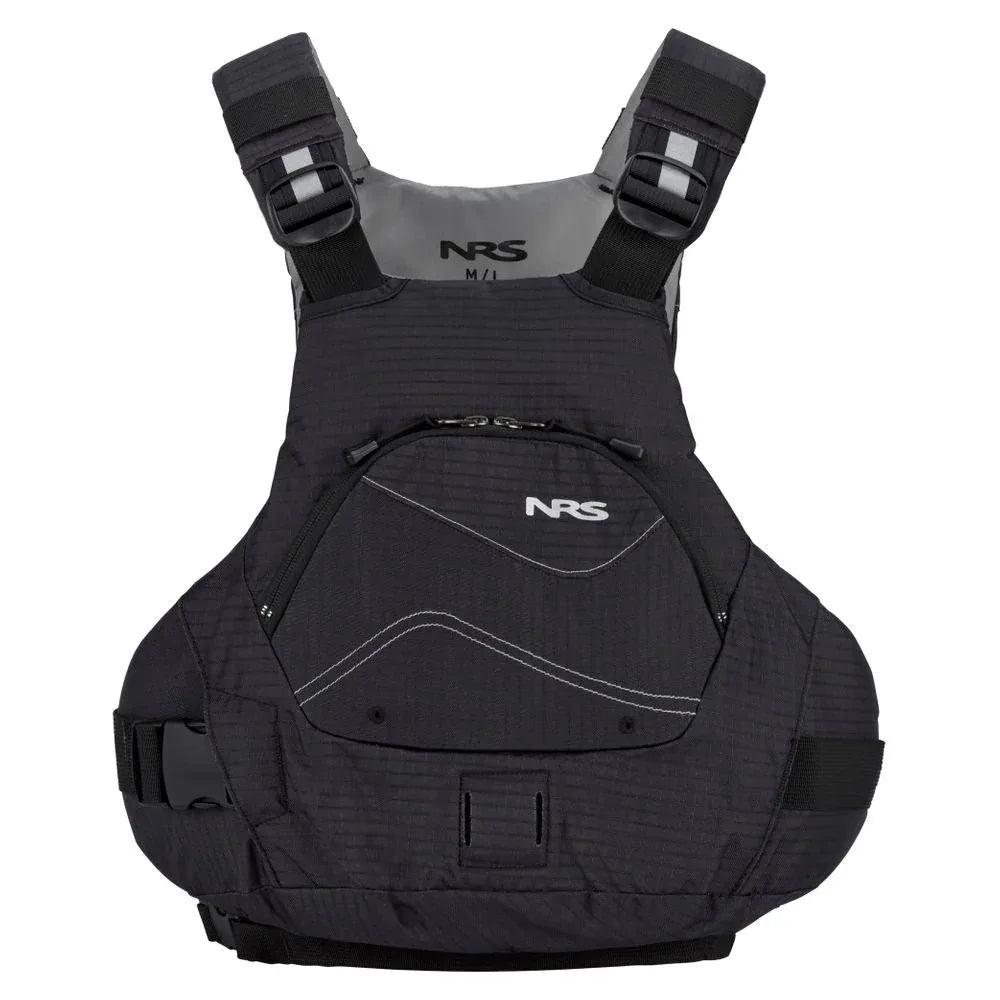
Wearing a buoyancy aid isn’t optional, it’s essential.
A 2023 RNLI study showed that 80% of recreational kayaking fatalities involved paddlers not wearing a PFD. Modern buoyancy aids are light, flexible, and designed to move with your paddle stroke.
Read next: Why Buoyancy Aids Work and Why You Should Always Wear One
· Paddle: Lightweight carbon-blend & glass fibre paddles make a performance difference
· Spraydeck: Keeps water out in whitewater and touring conditions.
· Dry Bags: Protect clothing, phones, and keys.
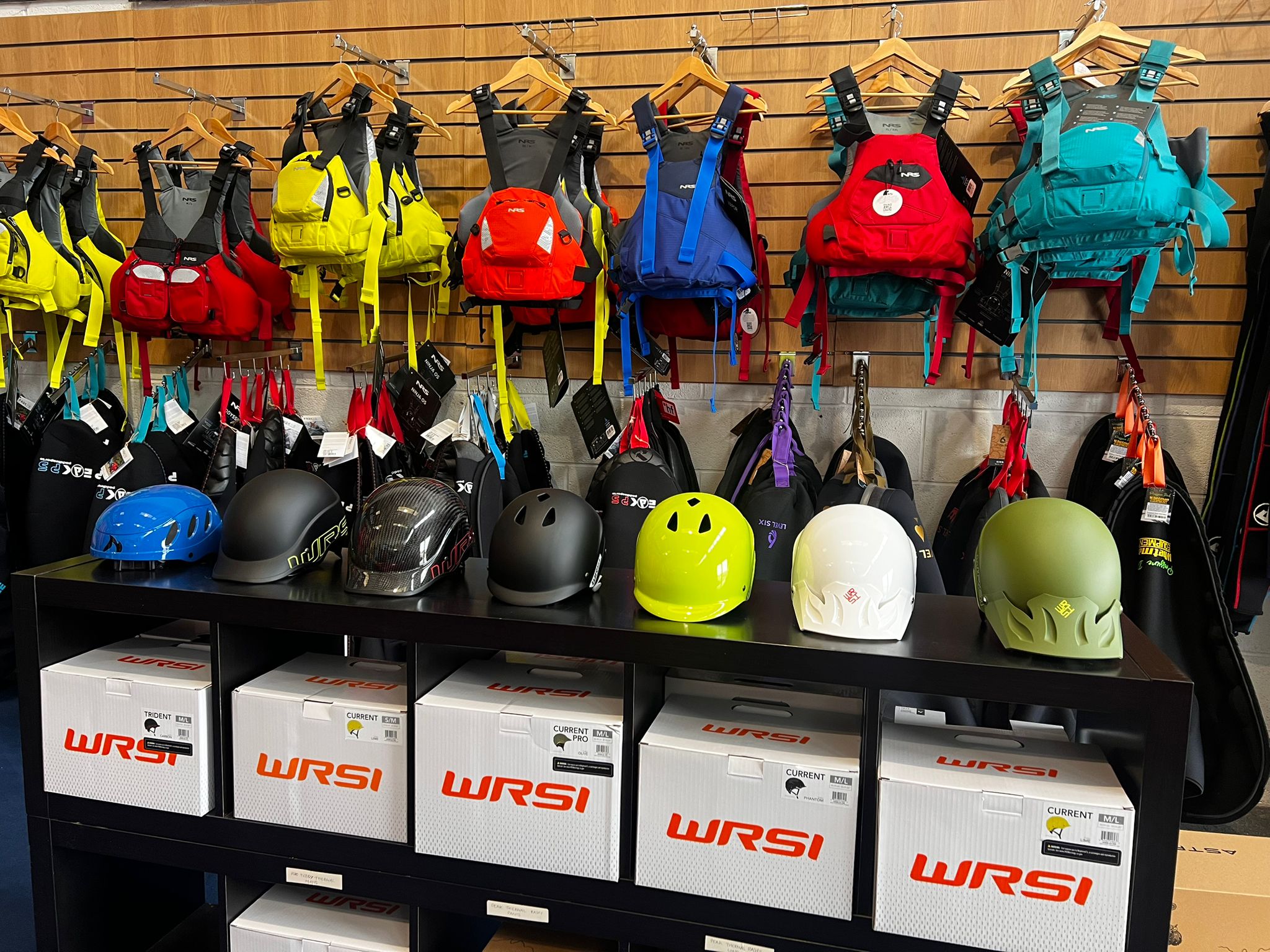
· Clothing: Thermal base layers, drysuits, gloves, and neoprene footwear for keeping warm and comfortable.
· Flatwater Rivers
· Lakes
· Whitewater Rivers
· Man-made Whitewater courses
· Sea
Eco-friendly manufacturing and recyclable materials are rising priorities.
Brands like Pyranha are pioneering recycling schemes for old boats.
Trend insight: The UK paddlesport community continues to grow. “Paddle UK’s 2024 Annual Report highlights growth in recreational paddling and record membership levels” Paddle UK Annual Report
|
Option |
Advantages |
|
Online (Flow Kayaks.co.uk) |
Fast delivery across the UK, full product range, detailed reviews, expert advice available by phone or email. |
|
In-store (Flow Kayaks Nottingham) |
Expert advice, fitting help, chance to compare models physically. Leave with your purchase same day. |
Whether you’re buying your first kayak or upgrading for new adventures, understanding how different designs and materials perform is key.
At Flow Kayaks, we’re passionate about helping paddlers make informed choices — so you get the right kayak, the right gear, and more time on the water.
Explore our full kayak range. Shop Kayaks UK 2025
or visit us in Nottingham for personal advice.
Looking to buy a kayak in 2025? Your choice depends on skill level and paddling style. Sit-on-top kayaks are great for beginners, touring kayaks handle long-distance trips efficiently, and whitewater kayaks offer control on rapids. Inflatables provide portability. Flow Kayaks Nottingham experts guide you on the right kayak, gear, and safety essentials for UK waters.
Q: What is the best beginner kayak for 2025 in the UK?
A: Sit-on-top kayaks like the Wave Sport Scooter X are among the best options for beginners. They’re stable, easy to paddle, and perfect for learning on calm UK Rivers, canals, and lakes.
Q: How do I choose between a sit-on-top and a touring kayak?
A: Sit-on-top kayaks are ideal for relaxed paddling on flat water and short trips. They’re open and easy to re-enter if you fall off. Touring kayaks, on the other hand, are longer, sleeker, and designed for efficiency over distance. They’re better suited to lakes, estuaries, or coastal adventures where storage and tracking matter.
Q: Can I use an inflatable kayak on UK rivers?
A: Yes, you can. Most inflatable kayaks perform well on calm or gently flowing rivers (Class I–II). Just make sure to wear a buoyancy aid, check the river’s difficulty, and confirm your kayak’s manufacturer ratings for safety and durability.
Q: How long does a plastic kayak last?
A: A well-cared-for polyethylene kayak can last 10–15 years or more. Store it out of direct sunlight, rinse after use in saltwater, and avoid dragging it across rough surfaces to extend its lifespan.
Q: What safety gear do I need for kayaking in the UK?
A: Always wear a buoyancy aid or personal flotation device (PFD). For whitewater or rocky areas, use a helmet. In colder months, thermal layers or drysuits are essential. Also carry a paddle leash, whistle, and waterproof dry bag with basic safety items like a phone, snacks, and spare clothing.